Choosing a power transformer is rarely a simple purchase. For project owners, contractors, electrical consultants, and industrial buyers, the real challenge is not only finding a unit with the correct voltage and capacity. The more difficult task is avoiding hidden risks: unstable performance, unclear technical documents, delayed delivery, poor heat control, inefficient operation, difficult maintenance, and mismatch with the actual electrical environment. This article explains how to evaluate a power transformer from the buyer’s point of view, with practical guidance on specification review, application matching, quality inspection, supplier communication, and long-term operating value.
- Article Outline
- Why Do Buyers Struggle When Selecting a Power Transformer?
- How Should a Power Transformer Match the Actual Load?
- Which Quality Details Matter Before Ordering?
- What Should Buyers Compare Before Making a Decision?
- How Can the Right Supplier Reduce Engineering Pressure?
- How Does Proper Selection Lower Maintenance Costs?
- FAQ About Power Transformer Selection
- Conclusion
- Identify the common purchasing risks behind transformer projects.
- Explain how voltage, capacity, insulation, cooling, and site conditions affect selection.
- Show what technical documents and factory tests buyers should request.
- Compare major decision factors in a clear table.
- Discuss how Conso Electrical Science and Technology Co., Ltd. supports project-based transformer needs.
- Answer practical buyer questions in an FAQ section.
Why Do Buyers Struggle When Selecting a Power Transformer?
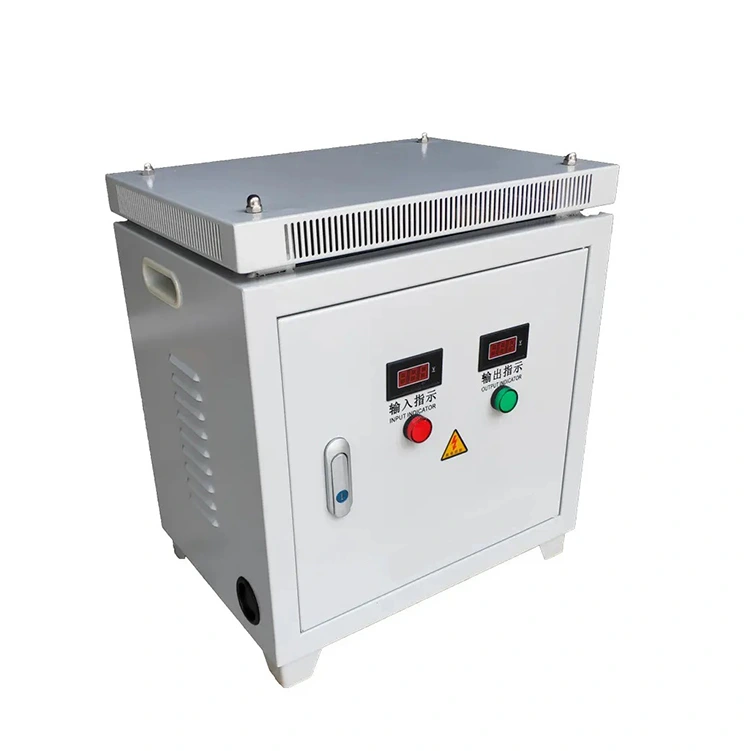
A power transformer sits at the center of an electrical system, yet many purchasing problems begin long before the equipment is energized. A buyer may know the required voltage level, but still be unsure about load fluctuation, installation conditions, cooling requirements, impedance, insulation level, enclosure design, transportation limits, or local acceptance standards. When these details are not clarified early, the transformer may arrive on site technically “usable” but not truly suitable.
The most painful situation is discovering a mismatch after delivery. At that stage, the project team may face schedule delays, additional engineering review, expensive modifications, or even replacement costs. A power transformer is not a small accessory that can be swapped casually. It affects cable selection, protection settings, civil foundation design, ventilation planning, and the safety margin of the whole power distribution system.
Buyers also worry about supplier communication. Some manufacturers provide a quotation quickly, but the quotation may not clearly explain what is included. Others may list basic parameters without giving enough support for drawings, test reports, routine inspection items, or nameplate details. For international projects, this becomes even more sensitive because technical misunderstanding can create customs issues, installation confusion, or disagreement during final acceptance.
A better purchasing process starts with one simple idea: the transformer should be selected according to the operating environment, not only according to the price list. When the buyer, engineer, and manufacturer confirm the same technical scope, most risks can be reduced before production begins.
How Should a Power Transformer Match the Actual Load?
The first technical question is load behavior. A stable commercial building, a factory with motor starting loads, a renewable energy system, and a temporary construction power station may all require different transformer considerations. Even when the rated capacity looks similar, the real working conditions may place very different stress on the transformer.
Capacity should be selected with enough margin, but not blindly oversized. If the unit is too small, it may run hot and age faster. If it is too large, the buyer may pay more upfront and operate with unnecessary no-load losses. The correct choice depends on continuous load, peak load, future expansion, harmonic conditions, ambient temperature, and expected duty cycle.
Voltage ratio is another obvious but critical point. Step-up and step-down requirements must be confirmed with the actual grid side and equipment side. For example, industrial users may need a transformer to adapt imported equipment to local voltage, while utility or infrastructure projects may need a medium-voltage unit for distribution networks. Mistakes in voltage selection can damage connected equipment or make commissioning impossible.
Cooling and insulation also deserve careful review. Oil-immersed transformers are often chosen for outdoor, higher-capacity, or heavy-duty applications because the oil supports insulation and heat dissipation. Dry type transformers are commonly used in places where fire safety, indoor installation, and lower maintenance requirements are important. The right choice depends on the site, local regulations, ventilation, available space, safety requirements, and maintenance plan.
Conso Electrical Science and Technology Co., Ltd. works with power transformer products for different industrial, power distribution, and infrastructure applications. For buyers, this matters because project-based orders often need more than a standard model. They may require adjusted voltage combinations, capacity selection, insulation class, temperature rise control, enclosure protection, installation dimensions, and technical documentation that fits the final project design.
- For industrial equipment: confirm starting current, voltage stability, and equipment sensitivity.
- For building distribution: consider noise level, fire safety, space limitation, and maintenance access.
- For outdoor utility use: review weather resistance, oil protection, cooling capacity, and site foundation.
- For export projects: align the transformer with destination standards, documents, and packaging requirements.
- For future expansion: leave reasonable capacity margin without creating excessive energy loss.
Which Quality Details Matter Before Ordering?
A reliable power transformer is built through material selection, design control, production discipline, and testing. Buyers do not need to inspect every production detail personally, but they should know which quality points influence long-term operation.
The core and winding are two major areas. High-quality silicon steel helps reduce no-load loss, while suitable copper or aluminum conductors affect load loss, temperature rise, and mechanical strength. Winding structure must withstand electrical stress and possible short-circuit forces. Insulation materials must be selected according to voltage level, thermal class, and expected operating conditions.
Another important area is thermal design. Heat is one of the biggest enemies of transformer life. If the transformer operates above its intended temperature range for long periods, insulation aging accelerates and failure risk increases. A good design balances rated capacity, cooling method, ambient temperature, loss control, and physical structure.
Factory testing should never be treated as a formality. Routine tests help confirm whether the finished product matches the design and contract requirements. Depending on the project, buyers may request test records related to ratio, winding resistance, insulation resistance, applied voltage, induced voltage, no-load loss, load loss, impedance voltage, and oil quality for oil-immersed types.
Documentation is also part of quality. Clear technical documents help installation teams understand dimensions, wiring, lifting points, grounding, protection, and commissioning requirements. A transformer with poor documentation may still be well made, but it creates avoidable pressure on the site team. In serious projects, unclear documents are not a small inconvenience; they are a project risk.
- Confirm the rated capacity, primary voltage, secondary voltage, phase, and frequency.
- Review insulation level, temperature rise, impedance, cooling method, and protection grade.
- Request drawings before production when installation dimensions are important.
- Clarify applicable standards and factory test items.
- Check whether the supplier can support technical communication before and after ordering.
- Confirm packaging, transport method, delivery schedule, and after-sales response.
What Should Buyers Compare Before Making a Decision?
Many buyers compare transformer offers only by price and capacity. That is understandable, but it is not enough. Two transformers with the same rated capacity may differ greatly in loss level, material quality, temperature control, installation convenience, service life, and supplier support. A more practical comparison should include both technical and commercial factors.
| Comparison Item | Why It Matters | Buyer’s Practical Question |
|---|---|---|
| Voltage and capacity match | Prevents overload, equipment mismatch, and commissioning failure. | Does the transformer match both current load and future expansion? |
| Loss performance | Affects long-term electricity cost and heat generation. | Are no-load loss and load loss clearly stated? |
| Cooling method | Influences temperature rise, installation environment, and maintenance. | Is the cooling design suitable for indoor, outdoor, or heavy-duty use? |
| Insulation system | Supports safe operation and service life under electrical stress. | Is the insulation level suitable for the voltage and site conditions? |
| Factory testing | Confirms compliance before shipment. | Which routine tests will be performed before delivery? |
| Technical documents | Helps engineers install, wire, inspect, and maintain correctly. | Can the supplier provide drawings and test records? |
| Customization ability | Solves special voltage, size, enclosure, and application requirements. | Can the design be adjusted according to project documents? |
| Supplier experience | Reduces communication risk and improves project execution. | Has the supplier handled similar transformer orders before? |
This comparison method helps buyers look beyond the first quotation. A technically complete offer may appear slightly higher at first, but it can save time and reduce uncertainty during installation, testing, and long-term operation.
How Can the Right Supplier Reduce Engineering Pressure?
A strong transformer supplier does not simply sell equipment. It helps buyers turn project requirements into a manufacturable and verifiable product. This is especially important when the buyer has drawings, tender documents, local grid requirements, or equipment-side restrictions that must be followed.
Before production, the supplier should help confirm whether the requested parameters are complete and reasonable. If information is missing, professional communication can prevent errors. For example, a buyer may provide voltage and capacity but forget to specify frequency, vector group, impedance, tapping range, enclosure protection, installation altitude, ambient temperature, or special accessories. Each missing detail may affect the final design.
During production, process control matters. Material inspection, winding control, assembly quality, insulation treatment, drying process for oil-immersed units, and final testing all contribute to stable performance. Buyers may not see these steps directly, but they can ask how the manufacturer controls them and what documents will be supplied after testing.
After delivery, the supplier’s value continues. Installation questions, wiring clarification, commissioning support, and replacement parts can all affect the project schedule. When a transformer is installed in an industrial plant, commercial building, or power distribution project, downtime has real cost. A responsive supplier helps the buyer solve problems faster.
Conso Electrical Science and Technology Co., Ltd. can be considered by buyers who need power transformer products with practical manufacturing support, technical communication, and project-based customization. For many customers, the key advantage is not only receiving a transformer, but receiving a unit that has been discussed, confirmed, produced, and tested according to the agreed technical scope.
How Does Proper Selection Lower Maintenance Costs?
Maintenance cost is often decided during the purchasing stage. A transformer that fits the site conditions will usually be easier to operate, inspect, and maintain. A poorly matched transformer may require more frequent checks, create abnormal heat, produce noise complaints, trigger protection problems, or shorten insulation life.
For oil-immersed transformers, maintenance may include oil level inspection, oil quality monitoring, leak checks, bushing inspection, temperature observation, grounding inspection, and protection device checks. For dry type transformers, maintenance often focuses on dust removal, ventilation, insulation condition, temperature control, and connection tightness. In both cases, a clean installation environment and correct loading practice are essential.
Loss performance also affects maintenance indirectly. Higher losses generate more heat, and heat places stress on insulation. Better thermal control can help the transformer operate more steadily. Over the full service life, this can reduce unplanned downtime and help the electrical system remain predictable.
Good documentation makes maintenance easier. When the site team has clear drawings, nameplate information, test records, and operating instructions, they can identify problems faster and communicate more accurately with the supplier. This is why buyers should treat documents as part of the purchase, not as an optional extra.
- Select the transformer according to real load data, not only estimated capacity.
- Keep enough ventilation space around the equipment.
- Avoid long-term overload unless the design clearly allows it.
- Inspect terminals and grounding regularly.
- Record temperature, load, and abnormal sound during operation.
- Contact the supplier early when unusual conditions appear.
FAQ About Power Transformer Selection
Q1: Is a larger power transformer always better?
No. A larger transformer may provide more capacity margin, but it can also increase purchase cost, size, and no-load loss. The better choice is a transformer sized according to real load, peak demand, future expansion, and operating pattern.
Q2: Do I need an oil-immersed or dry type transformer?
It depends on the installation site and safety requirements. Oil-immersed units are often used for outdoor and higher-capacity applications, while dry type units are commonly selected for indoor spaces, buildings, and locations with stricter fire safety concerns.
Q3: Which information should I provide before asking for a quotation?
You should provide rated capacity, primary and secondary voltage, frequency, phase, application, installation environment, cooling method preference, protection grade, required standards, and any drawings or tender documents. The more complete the information, the more accurate the quotation.
Q4: Why do transformer losses matter?
Transformer losses affect operating cost and heat generation. Lower losses can reduce wasted energy and help the transformer run with better thermal stability, especially in continuous operation.
Q5: Can a power transformer be customized?
Yes, many project-based transformers can be customized in voltage combination, capacity, tapping range, enclosure, insulation level, installation dimensions, and other technical details. The final design should be confirmed through technical documents before production.
Q6: What tests should be done before shipment?
Common routine tests may include ratio test, winding resistance test, insulation resistance test, applied voltage test, induced voltage test, no-load loss test, load loss test, and impedance voltage test. The exact test scope depends on transformer type and project requirements.
Q7: How can I reduce the risk of buying from overseas?
Ask for clear specifications, drawings, production confirmation, test records, packaging details, delivery schedule, and communication support. A responsible supplier should help clarify technical details before the order is finalized.
Conclusion
A power transformer should not be selected by price and capacity alone. Buyers need to understand how the transformer will operate, where it will be installed, what load it will serve, which standards it must meet, and how it will be tested before shipment. The right decision reduces risk before installation begins and gives the project team more confidence during commissioning and long-term operation.
For industrial facilities, infrastructure projects, building distribution systems, and power engineering applications, the most valuable transformer is the one that fits the real working condition. That means correct voltage, suitable capacity, controlled losses, reliable insulation, proper cooling, complete documentation, and a supplier who can communicate clearly throughout the project.
Conso Electrical Science and Technology Co., Ltd. provides power transformer solutions for buyers who need dependable performance, practical customization, and technical support from selection to delivery. If you are planning a new electrical project, replacing an existing transformer, or comparing technical options for your next order, contact us to discuss your requirements and receive a solution matched to your application.
Ready to Discuss Your Power Transformer Requirement?
Share your voltage, capacity, application, installation environment, and project schedule with our team. We will help you review the key specifications, reduce selection risk, and prepare a practical transformer solution for your project. For quotation, drawings, or technical consultation, please contact us today.