A Pole Mounted Transformer is often chosen when utilities, contractors, industrial parks, rural electrification projects, and commercial developers need a compact and practical way to step down medium voltage power near the final point of use. Instead of building a large ground-level transformer room or a full substation for every small load area, a pole mounted unit can be installed on a utility pole, close to overhead distribution lines and end users. This article explains how it helps solve common pain points such as limited installation space, unstable rural voltage, long delivery routes, safety concerns, maintenance access, equipment cost control, and specification uncertainty during procurement.
Table of Contents
- Article Outline
- Why Do Distribution Projects Struggle Before Choosing the Right Transformer?
- What Is a Pole Mounted Transformer Used For?
- Where Does a Pole Mounted Transformer Bring the Most Value?
- How Should Buyers Select the Right Technical Configuration?
- How Does It Compare With Other Distribution Solutions?
- How Can It Reduce Real Project Pain Points?
- What Quality Details Should Be Checked Before Purchase?
- How Can Maintenance Teams Extend Service Life?
- Why Does Supplier Experience Matter?
- FAQ
- Conclusion
Article Outline
- Identify the main distribution challenges faced by rural grids, small towns, farms, workshops, and light commercial areas.
- Explain the working role of a Pole Mounted Transformer in stepping down voltage for practical use.
- Compare pole mounted units with pad mounted transformers and small ground substations.
- Provide a practical selection guide covering capacity, voltage ratio, phase type, cooling method, protection accessories, and installation environment.
- Describe the quality checks buyers should request before shipment.
- Show how a professional manufacturer can support stable procurement, customization, testing, and after-sales communication.
Why Do Distribution Projects Struggle Before Choosing the Right Transformer?
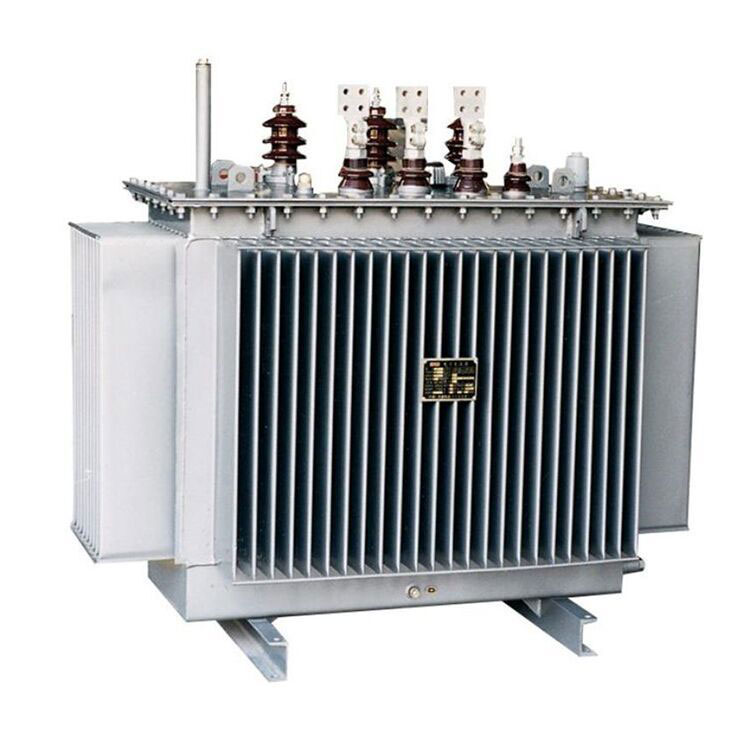
Many power distribution projects do not fail because the grid plan is wrong. They fail because the final step-down solution is not matched to the real site. A village may need reliable electricity for homes, pumps, shops, streetlights, and small workshops, but it may not have enough ground space for a transformer room. A farm may need stable power for irrigation equipment, yet the load points may be far apart. A residential expansion area may be connected by overhead lines, but the budget may not support a full ground-level distribution station.
These situations create the same frustrations again and again: voltage drops at the end of the line, expensive civil construction, long installation schedules, difficult maintenance access, and uncertainty over whether the selected equipment can handle outdoor service conditions. For contractors and utility buyers, another pain point is specification risk. If the selected transformer capacity, voltage ratio, insulation level, or protection arrangement is not suitable, the project may face delays, rework, or higher long-term losses.
A Pole Mounted Transformer is designed to solve these practical problems in a direct way. It does not try to replace every type of transformer. Instead, it serves a clear purpose: bringing medium voltage power down to a usable low voltage level near the load, especially where overhead distribution networks are already in place.
What Is a Pole Mounted Transformer Used For?
A Pole Mounted Transformer is an outdoor distribution transformer installed on a utility pole or pole structure. Its main job is to step down medium voltage electricity from overhead distribution lines to a lower voltage suitable for homes, small businesses, farms, street lighting systems, and light industrial loads. In many projects, it becomes the last important link between the distribution network and the end user.
The transformer is usually oil-immersed, which means transformer oil is used for insulation and heat dissipation. Depending on the project, it can be single phase or three phase. Single phase units are common in rural residential areas, small farms, and light loads. Three phase units are more suitable for commercial facilities, workshops, irrigation pumps, and areas where motor loads are more demanding.
The biggest advantage is that it can be mounted above ground level. This helps save land, reduce the need for civil work, and keep the equipment away from certain ground-level risks such as flooding, accidental impact, or unauthorized contact. For distribution routes that already use overhead lines, this installation style is often practical and economical.
Where Does a Pole Mounted Transformer Bring the Most Value?
A Pole Mounted Transformer is especially useful in locations where the power demand is real, but the site conditions are not suitable for bulky ground equipment. Buyers often choose this type of transformer for areas where the load is scattered, the installation space is limited, or the project schedule requires fast deployment.
- Rural electrification: It helps deliver power to villages, houses, farms, and remote communities connected by overhead lines.
- Agricultural projects: It can support irrigation pumps, grain processing equipment, poultry farms, greenhouses, and water supply systems.
- Small commercial areas: It can serve shops, roadside facilities, warehouses, service stations, and small business clusters.
- Residential extensions: It provides a practical step-down point for new housing areas where overhead networks are used.
- Temporary or staged projects: It can be useful when a site needs power before larger infrastructure is completed.
- Industrial edge loads: It may support small workshops, pumps, motors, lighting, and auxiliary equipment away from the main plant.
In each of these applications, the value is not only the transformer itself. The real value is the combination of compact installation, lower civil work requirements, easier connection to overhead lines, and clear access for maintenance teams.
How Should Buyers Select the Right Technical Configuration?
Choosing a Pole Mounted Transformer should never be reduced to capacity alone. A 50 kVA unit and a 500 kVA unit may both be called pole mounted transformers, but their project roles can be completely different. A careful selection process should begin with the actual load demand, voltage level, installation environment, utility requirements, and expected future expansion.
| Selection Point | What Buyers Should Check | Why It Matters |
|---|---|---|
| Rated Capacity | Match kVA rating with current load and reasonable future growth. | Undersizing causes overload risk, while oversizing may increase cost and no-load losses. |
| Voltage Ratio | Confirm primary and secondary voltage, such as medium voltage input and low voltage output. | Wrong voltage ratio can delay installation and create compatibility problems with the local grid. |
| Phase Type | Choose single phase or three phase according to the load profile. | Motor loads, pumps, and commercial equipment may require three phase power. |
| Insulation Level | Check local grid standards, altitude, lightning exposure, and protection requirements. | Outdoor transformers must withstand electrical stress and environmental conditions. |
| Cooling Method | Confirm oil-immersed design, tank structure, and heat dissipation arrangement. | Good thermal performance supports stable operation and longer service life. |
| Accessories | Consider surge arresters, cutout fuses, bushings, brackets, and grounding parts. | Correct accessories improve safety, protection, and installation efficiency. |
| Testing | Request routine test reports before delivery. | Factory testing helps reduce commissioning risk and confirms basic performance. |
A reliable supplier should be able to discuss these details clearly. When buyers only receive a simple price without technical confirmation, the apparent low cost may become expensive later. The right transformer should match the electrical design, the local installation habit, the protection method, and the practical maintenance capability of the project owner.
How Does It Compare With Other Distribution Solutions?
A pole mounted unit is not the only option for distribution projects. Buyers may also consider pad mounted transformers, compact substations, or indoor transformer rooms. The best choice depends on site conditions, safety requirements, budget, and grid structure.
| Solution | Main Advantage | Typical Limitation | Better Fit |
|---|---|---|---|
| Pole Mounted Transformer | Saves ground space and connects easily to overhead lines. | Capacity and installation structure must match pole strength and local rules. | Rural networks, farms, small communities, overhead distribution routes. |
| Pad Mounted Transformer | Neat ground-level installation with enclosed structure. | Needs suitable land, foundation, and protection from flooding or impact. | Urban communities, commercial buildings, underground cable networks. |
| Compact Substation | Integrates transformer, switchgear, and low voltage distribution. | Higher initial cost and larger installation footprint. | Industrial parks, commercial complexes, larger distribution nodes. |
| Indoor Transformer Room | Strong protection from weather and easy integration with building systems. | Requires building space, ventilation, fire safety design, and construction work. | Factories, high-rise buildings, large facilities. |
For overhead line projects, a Pole Mounted Transformer often provides a clean balance between cost, installation speed, and service practicality. It avoids unnecessary construction while still giving the project a dependable step-down point close to the load.
How Can It Reduce Real Project Pain Points?
Procurement teams are rarely looking for a transformer only because they like the product name. They are usually trying to solve pressure from the field. The project may be late. The budget may be tight. The installation team may not have enough ground space. The local grid may need fast expansion. A suitable Pole Mounted Transformer can reduce these problems in several practical ways.
- Less civil construction: Since the transformer is mounted on a pole, the project can reduce foundation work compared with many ground-level solutions.
- Faster site deployment: For overhead distribution routes, connection and installation can be more direct when the design is prepared properly.
- Better use of limited land: Rural roadsides, farms, and small communities may not have space for a transformer room or fenced equipment area.
- Closer voltage support: Installing the transformer closer to the load can help reduce long low-voltage line distance and improve power delivery stability.
- Clear maintenance visibility: Maintenance teams can visually inspect the transformer, bushings, oil level indicator, and external accessories during routine patrols.
- Flexible project matching: Different capacities and voltage ratios can be selected for different load points instead of forcing one oversized solution for every area.
These benefits are especially important in areas where project owners need dependable power but cannot afford complicated infrastructure. In this sense, the transformer is not just a piece of electrical equipment. It is a practical answer to field limitations.
What Quality Details Should Be Checked Before Purchase?
A low purchase price can be attractive, but transformer buyers should look beyond the number on the quotation. Outdoor distribution equipment faces heat, rain, dust, wind, lightning, load variation, and long operating hours. Quality control should begin before the order is confirmed.
Recommended pre-purchase checklist:
- Confirm rated capacity, voltage ratio, frequency, phase type, and tapping range.
- Check applicable standards requested by the project or utility company.
- Ask about winding material, core design, oil quality, tank sealing, and anti-corrosion treatment.
- Confirm whether accessories such as surge arresters, cutout fuses, mounting brackets, and bushings are included.
- Request routine factory test information, including insulation resistance, voltage withstand, ratio test, winding resistance, and oil leakage inspection.
- Review packing method for export projects, especially when the route includes sea transport or long inland transportation.
- Discuss spare parts, drawings, labels, and installation guidance before shipment.
Conso Electrical Science and Technology Co., Ltd. is mentioned in the context of pole mounted transformer manufacturing because buyers often need more than a catalog. They need engineering communication, production capability, testing discipline, and the ability to support customized requirements. When a project involves different capacities, special voltage ratios, export packing, or utility tender documents, clear technical cooperation can prevent costly misunderstandings.
How Can Maintenance Teams Extend Service Life?
Even a well-made Pole Mounted Transformer needs proper maintenance. Outdoor service conditions can change over time, and small problems may become larger failures if they are ignored. A simple inspection plan can help maintenance teams protect both the transformer and the wider distribution network.
- Inspect oil level and leakage signs: Oil stains, low oil level, or abnormal tank appearance should be checked quickly because insulation and cooling depend on stable oil condition.
- Check bushings and terminals: Cracks, pollution, looseness, or overheating marks around bushings can indicate electrical stress or poor connection.
- Observe operating temperature: Unusual heat may come from overload, poor contact, aging oil, or environmental blockage around the installation area.
- Review load growth: A transformer that worked well five years ago may become overloaded after new houses, pumps, shops, or machines are added.
- Keep protection devices coordinated: Surge arresters, fuses, and grounding arrangements should be inspected according to local maintenance rules.
- Record maintenance history: Good records help identify recurring problems and support future replacement planning.
Maintenance should not be treated as a burden. It is a cost-control tool. A transformer that is inspected regularly is more likely to deliver stable service, avoid sudden outages, and protect downstream users from unnecessary power interruptions.
Why Does Supplier Experience Matter?
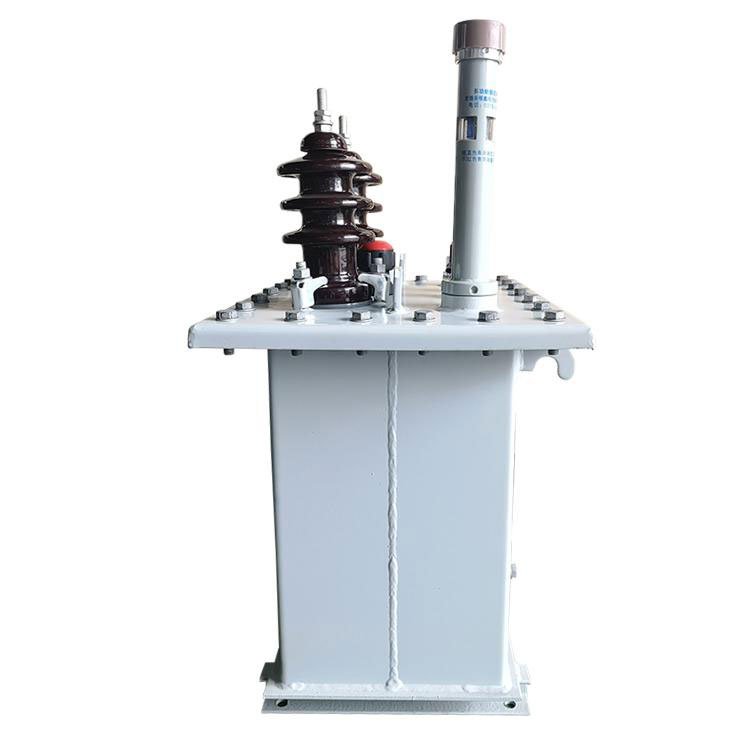
A transformer project involves more than manufacturing. It includes technical discussion, drawing confirmation, material preparation, production scheduling, testing, packing, delivery, and after-sales communication. If any part of this chain is weak, buyers may face delays or uncertainty.
Supplier experience becomes especially important for international buyers. Different countries and regions may use different voltage systems, installation habits, labeling requirements, protection accessories, and documentation standards. A supplier that understands customization can help buyers translate project requirements into a workable product specification.
Conso Electrical Science and Technology Co., Ltd. can be considered by buyers who are comparing pole mounted transformer options for distribution projects, rural electrification, commercial loads, and utility-related procurement. The key is to communicate the project conditions clearly: load size, voltage level, frequency, installation altitude, climate, required accessories, testing expectations, and delivery schedule. With enough information, the manufacturer can recommend a more suitable configuration instead of offering a generic unit that may not fit the site.
FAQ
The capacity should be selected according to the actual connected load, load type, simultaneity factor, and future expansion plan. For small residential or agricultural loads, lower kVA ratings may be suitable. For workshops, pumps, or commercial users, a higher rating may be required. It is better to provide a load list to the supplier before confirming the model.
Single phase units are commonly used for smaller residential and rural loads. Three phase units are better for motor loads, pumps, workshops, and commercial facilities that need balanced three phase power. The right choice depends on the local distribution network and the equipment connected to the transformer.
Yes, it can be designed for outdoor operation, but the final specification should match the local environment. Buyers should confirm anti-corrosion treatment, insulation level, sealing quality, lightning protection, altitude conditions, and temperature range before purchase.
Common accessories may include bushings, mounting brackets, surge arresters, cutout fuses, grounding parts, nameplates, lifting lugs, oil level indicators, and other project-specific components. The accessory list should be confirmed before quotation because it affects both cost and installation readiness.
Buyers can reduce risk by confirming technical drawings, standards, test requirements, packing method, delivery schedule, and after-sales support before placing the order. A complete specification sheet is more reliable than a short inquiry with only the capacity and price target.
Customization may be necessary when the project requires a special voltage ratio, specific accessories, local utility standards, unique mounting structure, or export documentation. Early communication helps the manufacturer design and produce a transformer that fits the real site instead of forcing a standard model into an unsuitable condition.
Conclusion
A Pole Mounted Transformer is a practical and efficient solution for many distribution projects, especially where overhead lines, limited ground space, scattered loads, and cost-sensitive installation conditions are involved. It can help utilities, contractors, farms, residential areas, and small commercial projects step down voltage close to the point of use while reducing unnecessary civil construction.
The best result comes from matching the transformer to the project instead of choosing only by price. Capacity, voltage ratio, phase type, insulation level, accessories, testing, installation environment, and supplier support all influence long-term performance. When these details are handled carefully, the transformer can provide stable service and reduce future maintenance pressure.
Ready to Discuss Your Pole Mounted Transformer Project?
If you are planning a rural power distribution project, utility upgrade, farm electrification system, commercial power supply, or customized transformer procurement, Conso Electrical Science and Technology Co., Ltd. can help you review the technical requirements and recommend a suitable solution. Share your voltage level, capacity demand, installation environment, accessory requirements, and delivery plan with our team. For a practical quotation and technical support, please contact us today.