- English
- Español
- Português
- русский
- Français
- 日本語
- Deutsch
- tiếng Việt
- Italiano
- Nederlands
- ภาษาไทย
- Polski
- 한국어
- Svenska
- magyar
- Malay
- বাংলা ভাষার
- Dansk
- Suomi
- हिन्दी
- Pilipino
- Türkçe
- Gaeilge
- العربية
- Indonesia
- Norsk
- تمل
- český
- ελληνικά
- український
- Javanese
- فارسی
- தமிழ்
- తెలుగు
- नेपाली
- Burmese
- български
- ລາວ
- Latine
- Қазақша
- Euskal
- Azərbaycan
- Slovenský jazyk
- Македонски
- Lietuvos
- Eesti Keel
- Română
- Slovenski
- मराठी
- Srpski језик

How Can Electrical Switchgear Make Power Distribution Safer and Easier to Manage?
Article Summary
Electrical Switchgear is often treated as a technical purchase, but for project owners, contractors, facility managers, and procurement teams, it is really a decision about safety, uptime, future maintenance, and long-term operating cost. A well-designed switchgear system helps control, isolate, protect, and distribute electrical power across buildings, factories, substations, utilities, renewable energy projects, and infrastructure sites. This article explains how Electrical Switchgear works, where buyers often make costly mistakes, what details should be checked before ordering, and how a manufacturer such as Conso Electrical Science and Technology Co., Ltd. can support more reliable power distribution projects with practical equipment selection and engineering-oriented communication.
Table of Contents
- Article Outline
- Why Does Electrical Switchgear Matter More Than Many Buyers Expect?
- What Problems Do Buyers Usually Face Before Choosing Electrical Switchgear?
- How Does Electrical Switchgear Protect a Power Distribution System?
- Which Factors Should Be Checked Before Placing an Order?
- Electrical Switchgear Selection Table
- How Can Buyers Reduce Risk During Project Planning?
- What Makes Electrical Switchgear Easier to Inspect and Maintain?
- How Can a Manufacturer Support Better Purchasing Decisions?
- FAQ
- Final Purchasing Advice
Article Outline
- Explain the role of Electrical Switchgear in power distribution and equipment protection.
- Identify common buyer pain points, including unclear specifications, mismatched voltage levels, limited installation space, and maintenance difficulty.
- Compare key switchgear types and suitable application scenarios.
- Provide a practical selection checklist for procurement and engineering teams.
- Show how proper communication with the manufacturer can reduce project delays and future maintenance risk.
Why Does Electrical Switchgear Matter More Than Many Buyers Expect?
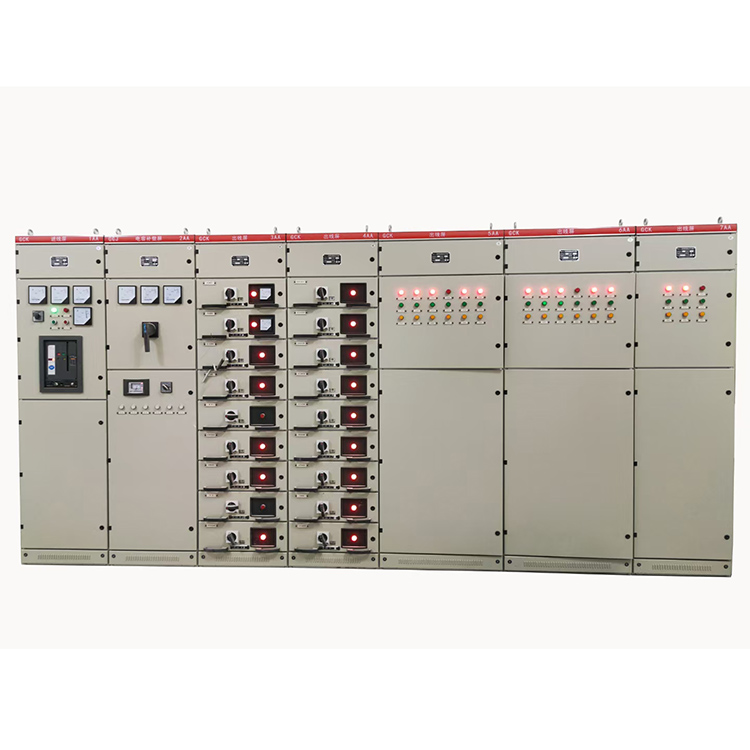
In many power projects, Electrical Switchgear is not the most visible part of the system. Transformers, cables, generators, and large production equipment often receive more attention because they look more “central” to the project. Yet when a fault occurs, when a circuit must be isolated, or when maintenance staff need to work safely, switchgear becomes one of the most important pieces of equipment on site.
Electrical Switchgear is designed to control, protect, and disconnect electrical circuits. In practical terms, it helps a power system stay organized. It allows operators to divide power distribution into manageable sections, protect downstream equipment, and reduce the impact of faults. Without proper switchgear, one electrical problem may spread across a wider system, causing production shutdowns, safety hazards, or expensive equipment damage.
For buyers, the real value of Electrical Switchgear is not limited to the metal cabinet itself. The value comes from whether the cabinet structure, circuit breakers, busbar arrangement, protection devices, incoming and outgoing feeders, interlocking design, and maintenance access match the actual project. A cabinet that looks acceptable on paper may still create problems if it does not fit the site layout, load conditions, operating habits, or expansion plan.
This is why experienced buyers do not only ask for a price. They ask whether the switchgear can handle the correct voltage level, current rating, short-circuit capacity, installation environment, cable entry direction, operating method, and inspection requirements. A cheaper cabinet that requires repeated modification after delivery may become far more expensive than a carefully specified solution.
What Problems Do Buyers Usually Face Before Choosing Electrical Switchgear?
The first common problem is incomplete project information. A buyer may know that a factory needs several electrical cabinets, but they may not have a clear single-line diagram, load list, layout plan, or feeder arrangement. In that situation, it becomes difficult for the manufacturer to confirm the correct cabinet type, number of panels, component configuration, and protection scheme.
The second problem is confusion between different switchgear categories. Low voltage switchgear, medium voltage switchgear, gas insulated switchgear, air insulated switchgear, withdrawable cabinets, fixed cabinets, and distribution panels are not interchangeable names. Each category has its own application range, structural logic, safety requirements, and cost level. Choosing the wrong type can affect installation, operation, and maintenance.
The third problem is limited site space. In industrial plants, commercial buildings, compact substations, mining areas, and utility projects, the electrical room may not provide generous working space. If the switchgear arrangement is not considered early, the buyer may face problems with cabinet depth, front operation clearance, rear maintenance access, cable trench position, or ventilation.
The fourth problem is future maintenance. Some buyers focus heavily on initial purchase cost but forget that switchgear will remain in service for many years. Maintenance teams need safe access, clear labeling, reliable mechanical operation, suitable spare parts, and an easy way to isolate circuits. A cabinet that is difficult to inspect can increase labor time and operational risk.
The fifth problem is unclear communication between commercial and technical teams. The purchasing team may ask for “Electrical Switchgear” as a simple product name, while the engineering team expects a very specific technical configuration. If these two sides do not align, the order may move forward with hidden uncertainty. That is where careful technical confirmation becomes essential.
A practical purchasing rule is simple: before comparing prices, compare the confirmed technical basis. If two suppliers are quoting different cabinet structures, component brands, rated current levels, protection devices, or installation methods, the prices are not truly comparable.
How Does Electrical Switchgear Protect a Power Distribution System?
Electrical Switchgear protects a power distribution system by combining switching, isolation, protection, measurement, and control functions in one organized assembly. When the system operates normally, switchgear distributes power to different loads. When abnormal conditions occur, protective devices help disconnect the faulty circuit and reduce the chance of wider system damage.
In a medium voltage system, the switchgear may include vacuum circuit breakers, current transformers, voltage transformers, protection relays, busbars, earthing switches, and mechanical interlocks. These components work together to detect and isolate faults. For example, if an outgoing feeder experiences a short circuit, the protection system should respond quickly and open the circuit breaker before the fault causes more serious damage.
In a low voltage system, Electrical Switchgear may distribute power to motors, lighting, production lines, HVAC systems, pumps, and auxiliary equipment. Depending on the design, it may use fixed or withdrawable units. Withdrawable structures can make inspection and replacement more convenient because individual functional units can be isolated or removed with less disturbance to other circuits.
Safety is not only about electrical ratings. It also depends on structure. Good switchgear design considers internal separation, grounding continuity, door interlocks, operating handles, cable compartments, ventilation, insulation distance, and clear visual indication. These details help operators understand the cabinet status and reduce unsafe operation.
The best result is not merely that the cabinet passes factory inspection. The better result is that the switchgear remains understandable, serviceable, and stable after installation. Operators should know what each feeder controls, how to isolate a circuit, where to inspect key parts, and what procedures must be followed before maintenance.
Which Factors Should Be Checked Before Placing an Order?
Before ordering Electrical Switchgear, buyers should slow down and confirm several practical details. Rushing this stage often leads to drawings being revised again and again, which delays production and installation.
- Voltage level: Confirm whether the project requires low voltage or medium voltage switchgear, and check the rated voltage carefully.
- Rated current: Review the expected load current for incoming and outgoing circuits, not only the current condition but also possible future expansion.
- Short-circuit withstand capacity: The switchgear must match the fault level of the power system.
- Cabinet structure: Decide whether fixed, withdrawable, indoor, outdoor, compact, or customized structures are more suitable.
- Component configuration: Confirm circuit breakers, relays, meters, current transformers, voltage transformers, surge protection, and other devices.
- Cable entry and exit: Check whether the site requires top entry, bottom entry, front access, or rear access.
- Installation environment: Consider altitude, humidity, dust, temperature, corrosion risk, and ventilation.
- Maintenance access: Make sure operators can inspect and service the cabinet safely after installation.
- Drawing confirmation: Prepare single-line diagrams, layout drawings, and load lists whenever possible.
- Testing and documentation: Ask for factory inspection records, drawings, manuals, and technical documents needed for project acceptance.
For many buyers, the most difficult part is not knowing what information the manufacturer needs. A professional supplier should help organize the questions instead of simply waiting for a perfect technical file. This is especially important for international projects where engineering standards, working habits, and site conditions may differ from one market to another.
Electrical Switchgear Selection Table
| Selection Point | Why It Matters | Buyer’s Practical Question |
|---|---|---|
| Voltage Level | Determines the basic product category and insulation requirements. | Is this project low voltage, medium voltage, or part of a substation system? |
| Rated Current | Affects busbar size, component selection, heat rise, and cabinet design. | What is the normal operating current and expected future load? |
| Short-Circuit Capacity | Ensures the equipment can withstand fault conditions safely. | Has the system fault level been calculated or provided by the designer? |
| Cabinet Type | Influences installation space, operation method, and maintenance efficiency. | Does the site need fixed cabinets, withdrawable units, GIS, AIS, or LV panels? |
| Component Brand | Impacts cost, local maintenance, spare parts, and user preference. | Are there preferred component brands or project-specified brands? |
| Installation Layout | Prevents cable conflicts, clearance issues, and on-site modification. | Are cable trenches, room dimensions, and cabinet arrangement confirmed? |
| Maintenance Method | Improves long-term usability and reduces shutdown time. | Will operators inspect from the front, rear, or both sides? |
How Can Buyers Reduce Risk During Project Planning?
Good Electrical Switchgear purchasing begins before the quotation. Buyers can reduce risk by treating the early communication stage as an engineering confirmation process rather than a simple price request.
A useful first step is to collect the single-line diagram. This drawing shows how power flows through the system and helps the manufacturer understand incoming feeders, outgoing feeders, bus couplers, metering points, protection functions, and load distribution. If the single-line diagram is missing, the supplier may still provide general advice, but the quotation will be less precise.
The second step is to clarify the site layout. Electrical rooms are not always designed with enough space for easy installation. Cabinet width, depth, height, operating clearance, rear access, cable entry, and door opening direction should be checked early. A technically correct cabinet can still become troublesome if it does not fit the room.
The third step is to confirm the operating environment. Electrical Switchgear installed in a clean indoor room has different requirements from equipment used in mining areas, coastal regions, humid environments, photovoltaic substations, or infrastructure projects with heavy dust. Environmental details influence enclosure protection, ventilation, anti-condensation measures, and material selection.
The fourth step is to avoid comparing incomplete quotations. If one quotation includes premium components, testing, drawings, and customization while another includes only a basic cabinet, the lower price may not represent better value. Procurement teams should ask suppliers to list the configuration clearly so the comparison becomes fair.
The fifth step is to reserve time for drawing review. Electrical Switchgear is often connected with transformers, substations, cables, control systems, and downstream equipment. A short review period can prevent expensive mistakes before production begins. In many projects, careful drawing approval is the difference between smooth installation and repeated on-site adjustment.
What Makes Electrical Switchgear Easier to Inspect and Maintain?
Maintenance-friendly Electrical Switchgear does not happen by accident. It comes from cabinet design, component arrangement, labeling, documentation, and access planning. For users, this matters because switchgear is not a one-time purchase. It is equipment that must serve the site through years of operation, inspection, troubleshooting, and possible expansion.
Clear compartment design is one important factor. When functional areas are well organized, maintenance staff can identify the busbar area, cable area, circuit breaker area, control area, and metering area more easily. This reduces confusion during inspection and helps technicians follow safer procedures.
Reliable mechanical operation is another factor. Doors, handles, interlocks, shutters, withdrawable units, and grounding mechanisms should operate smoothly. A cabinet that feels difficult to operate during factory inspection may become even more troublesome after years of service. Buyers should pay attention to these details instead of judging only the external appearance.
Documentation also matters. Drawings, wiring diagrams, operating manuals, component lists, and inspection records help the user understand the system after delivery. This is especially valuable when the project team changes or when local maintenance staff need to troubleshoot the system years later.
Spare parts planning should not be ignored. For important power systems, buyers may need spare circuit breakers, control components, indicator lamps, fuses, meters, or other frequently serviced parts. A manufacturer that can explain these options clearly helps the buyer prepare for real operating conditions, not just the first installation day.
How Can a Manufacturer Support Better Purchasing Decisions?
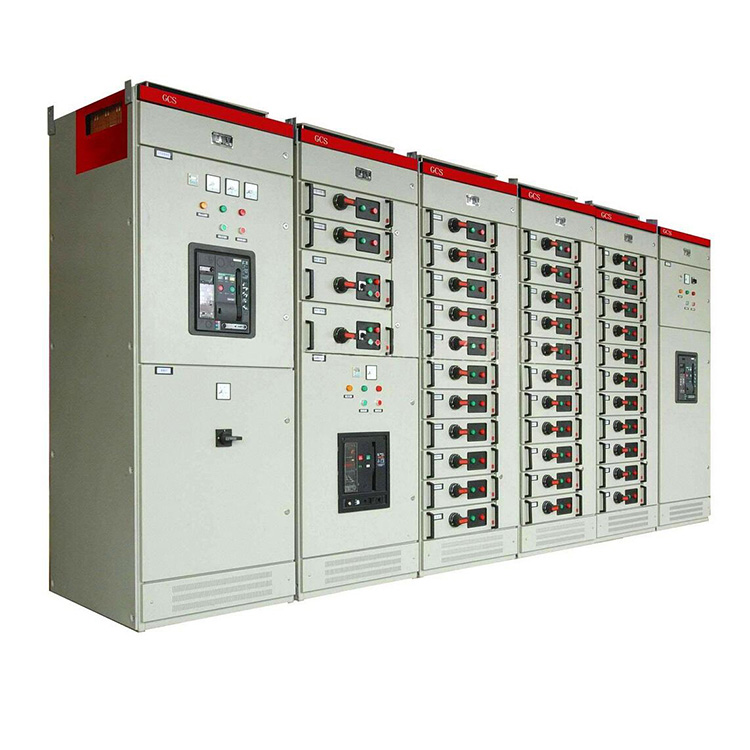
A good Electrical Switchgear manufacturer should do more than assemble cabinets. The manufacturer should help buyers translate project requirements into a clear technical solution. This includes asking the right questions, reviewing drawings, explaining cabinet differences, checking component options, and helping the buyer understand how each decision affects safety, cost, installation, and maintenance.
Conso Electrical Science and Technology Co., Ltd. is involved in the manufacturing of electrical equipment such as switchgear, substations, transformers, and related power distribution products. For buyers who need Electrical Switchgear, the value of working with a manufacturing-oriented team is that technical communication can be connected more directly with production reality.
For example, when a buyer needs low voltage switchgear for a compact substation, the discussion should not stop at the cabinet name. The manufacturer should confirm whether the project needs a GGD, GCK, GCS, MNS, or another suitable structure. When a buyer needs medium voltage switchgear, the manufacturer should help review voltage level, circuit breaker configuration, protection relay requirements, and cable arrangement.
Another advantage is customization. Many projects cannot rely on a completely standard cabinet. The site may require special dimensions, specific component brands, unusual cable entry, additional metering, reserved expansion space, or a particular arrangement of incoming and outgoing feeders. A capable manufacturer can review these details and provide a more practical proposal.
The strongest supplier relationship is built on clear information. Buyers should be ready to share drawings and project conditions, while the manufacturer should respond with organized questions and realistic suggestions. This two-way communication helps reduce hidden risk and makes the purchasing process calmer, faster, and more reliable.
Electrical Switchgear should never be purchased only by cabinet name. The better approach is to purchase by system requirement, confirmed drawing, operating environment, component configuration, and future maintenance plan.
FAQ
Q1: What is Electrical Switchgear used for?
Electrical Switchgear is used to control, protect, isolate, and distribute electrical power. It helps operators manage circuits safely and allows faulty sections to be disconnected when abnormal conditions occur.
Q2: Is Electrical Switchgear only used in substations?
No. It can be used in substations, industrial plants, commercial buildings, utility systems, renewable energy projects, mining sites, infrastructure projects, and many other power distribution environments.
Q3: What information should I prepare before requesting a quotation?
It is helpful to prepare a single-line diagram, load list, voltage level, rated current, short-circuit capacity, layout plan, preferred component brands, installation environment, and cable entry requirements.
Q4: How do I know whether I need low voltage or medium voltage switchgear?
The correct choice depends on the voltage level and position of the equipment in the power distribution system. Low voltage switchgear is generally used closer to final power distribution, while medium voltage switchgear is used in higher-voltage distribution and substation-related systems.
Q5: Why do two Electrical Switchgear quotations have very different prices?
Price differences may come from cabinet structure, rated current, short-circuit capacity, component brands, protection devices, busbar material, customization level, testing, documentation, and project service scope. Buyers should compare configurations carefully before making a decision.
Q6: Can Electrical Switchgear be customized for a specific project?
Yes. Many projects require customized cabinet dimensions, feeder arrangement, component brands, cable entry methods, metering functions, or reserved expansion space. Customization should be confirmed through drawings and technical communication before production.
Q7: What is the biggest mistake buyers make when purchasing Electrical Switchgear?
One of the biggest mistakes is asking for a price without confirming the technical basis. If drawings, ratings, cabinet type, and component configuration are unclear, the quotation may not reflect the real project requirement.
Final Purchasing Advice
Electrical Switchgear is not just a cabinet purchase. It is a decision that affects safety, power continuity, installation efficiency, maintenance convenience, and long-term project stability. Buyers who confirm drawings early, compare configurations carefully, and communicate real site conditions are more likely to receive equipment that fits the project instead of equipment that only fits a quotation sheet.
If your project requires Electrical Switchgear for a factory, substation, compact power distribution system, commercial building, or industrial site, Conso Electrical Science and Technology Co., Ltd. can help review your technical requirements and provide a practical product discussion. To compare suitable switchgear options, confirm cabinet details, or request project support, please contact us and share your drawings or basic electrical requirements with the team.