- English
- Español
- Português
- русский
- Français
- 日本語
- Deutsch
- tiếng Việt
- Italiano
- Nederlands
- ภาษาไทย
- Polski
- 한국어
- Svenska
- magyar
- Malay
- বাংলা ভাষার
- Dansk
- Suomi
- हिन्दी
- Pilipino
- Türkçe
- Gaeilge
- العربية
- Indonesia
- Norsk
- تمل
- český
- ελληνικά
- український
- Javanese
- فارسی
- தமிழ்
- తెలుగు
- नेपाली
- Burmese
- български
- ລາວ
- Latine
- Қазақша
- Euskal
- Azərbaycan
- Slovenský jazyk
- Македонски
- Lietuvos
- Eesti Keel
- Română
- Slovenski
- मराठी
- Srpski језик

Why Is Gas Insulated Switchgear Crucial for Modern Power Grids
In an era where reliability, compactness and safety are paramount in power distribution, Gas Insulated Switchgear stands out as a foundational technology powering modern infrastructure. This article delivers a professional, in-depth review of how GIS operates, why it’s preferred over traditional systems, and how leading solutions from CONSO·CN help utilities, industrial facilities and infrastructure projects meet evolving electrical demands.
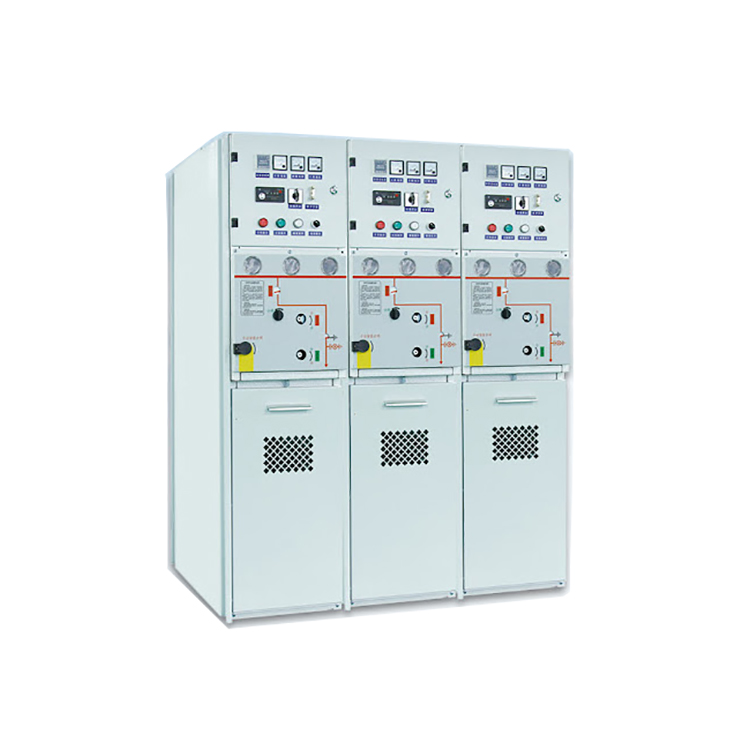
Table of Contents
1. What is Gas Insulated Switchgear?
Gas Insulated Switchgear (GIS) is advanced electrical distribution equipment that controls, protects and isolates high-voltage circuits in power transmission and distribution networks. Unlike conventional air-insulated switchgear, GIS units encapsulate key components inside a sealed metal enclosure filled with an insulating medium — commonly sulfur hexafluoride (SF6) — to achieve high dielectric strength in a compact space.
GIS plays a pivotal role in urban power systems and industrial installations, especially where space constraints and environmental reliability are essential.
2. How Does GIS Work?
At the core of this technology is a gas-sealed enclosure that contains high-voltage components — such as circuit breakers, disconnect switches, current transformers and busbars — all protected and insulated by SF6 gas or equivalent high-dielectric gas. The sealed design prevents contamination, reduces external environmental influence, and enhances operational uptime. :contentReference[oaicite:1]{index=1}
- Sealed Environment: Prevents dust, moisture and pollutants from affecting performance.
- High Insulation: SF6 gas provides dielectric strength far superior to air.
- Modular Design: Individual sections can be maintained or replaced without disrupting the system.
3. Key Benefits of Gas Insulated Switchgear
The adoption of GIS is driven by several compelling advantages that make it ideal for modern electrical infrastructures:
| Benefit | Description |
|---|---|
| Space Efficiency | GIS can reduce footprint up to 90% compared with air-insulated systems. :contentReference[oaicite:2]{index=2} |
| High Reliability | Sealed components withstand humidity, dust and environmental factors for longer life. |
| Safety | Enclosed design minimizes risk of operator contact with live parts. |
| Lower Maintenance | Because it’s sealed, less routine service is needed compared to open air switchgear. :contentReference[oaicite:3]{index=3} |
4. Typical Applications of GIS
Gas Insulated Switchgear is widely used where reliability and compactness are critical. Common use cases include:
- Urban substations with limited real estate.
- Industrial plants with complex electrical networks.
- Renewable energy installations (e.g., wind farms).
- Transport hubs and underground facilities where space and safety are at a premium.
5. Product Features & Specifications from CONSO·CN
As a trusted manufacturer, CONSO·CN delivers high-quality Gas Insulated Switchgear solutions featuring robust manufacturing processes, strict quality assurance and reliable performance in demanding environments.
Typical Specification Snapshot
| Specification | Typical Value |
|---|---|
| Rated Voltage | Up to 33kV (medium voltage applications) |
| Insulating Medium | SF6 Gas (high dielectric strength) |
| Environmental Suitability | Indoor / confined spaces |
| Maintenance | Low (sealed design) |
These features help ensure that products from CONSO·CN meet both technical and operational expectations across diverse applications.
6. GIS vs Traditional Switchgear
To truly appreciate the value of Gas Insulated Switchgear, it helps to compare it with traditional Air Insulated Switchgear (AIS). Below is a high-level comparison:
- Size: GIS is far more compact than AIS.
- Maintenance: GIS requires less frequent upkeep due to sealed design.
- Installation: GIS fits easily in confined or urban environments.
- Reliability: GIS performs better in harsh environmental conditions.
7. Frequently Asked Questions (FAQ)
Q1: What differentiates GIS from traditional switchgear?
A1: GIS uses gas-sealed technology to provide high dielectric strength in a compact footprint, whereas traditional switchgear relies on air insulation.
Q2: Is GIS suitable for all voltage levels?
A2: GIS is commonly used from medium to high voltage applications; specific designs depend on system requirements.
Q3: Does GIS reduce operational costs?
A3: Yes — reduced maintenance needs and longer service life often translate to lower total cost of ownership.
Q4: Can GIS be used in urban environments?
A4: Absolutely — compact design and high reliability make GIS ideal for limited-space installations.
8. Conclusion & Call to Action
In conclusion, Gas Insulated Switchgear offers a compelling blend of compact design, operational reliability, safety, and reduced maintenance that makes it a cornerstone of modern electrical infrastructure. With solutions from trusted suppliers like CONSO·CN, engineers and planners can ensure efficient power distribution that meets both present and future needs.
If you want expert guidance, customized technical support or pricing for industry-leading GIS solutions, we invite you to contact us today to discuss your unique requirements and next steps.