- English
- Español
- Português
- русский
- Français
- 日本語
- Deutsch
- tiếng Việt
- Italiano
- Nederlands
- ภาษาไทย
- Polski
- 한국어
- Svenska
- magyar
- Malay
- বাংলা ভাষার
- Dansk
- Suomi
- हिन्दी
- Pilipino
- Türkçe
- Gaeilge
- العربية
- Indonesia
- Norsk
- تمل
- český
- ελληνικά
- український
- Javanese
- فارسی
- தமிழ்
- తెలుగు
- नेपाली
- Burmese
- български
- ລາວ
- Latine
- Қазақша
- Euskal
- Azərbaycan
- Slovenský jazyk
- Македонски
- Lietuvos
- Eesti Keel
- Română
- Slovenski
- मराठी
- Srpski језик

Why Are 11kv Outdoor Lv And Mv Vcb Panels the Best Choice for Reliable Power Distribution
As a professional power distribution equipment manufacturer, Conso provides high-performance 11kv Outdoor Lv And Mv Vcb Panels designed for industrial, utility, commercial, and infrastructure projects. Engineered with vacuum circuit breaker technology, these outdoor switchgear panels deliver excellent insulation, safe switching, long service life, and dependable operation even under harsh environmental conditions.
Selecting the right outdoor switchgear is essential for ensuring the safety, efficiency, and stability of modern electrical systems. This article explains how 11kv Outdoor Lv And Mv Vcb Panels work, their major advantages, technical specifications, applications, selection tips, maintenance recommendations, and why they have become one of the preferred medium-voltage solutions worldwide. Whether you are designing a new electrical network or upgrading an existing system, this guide provides practical insights for engineers, contractors, and procurement professionals.
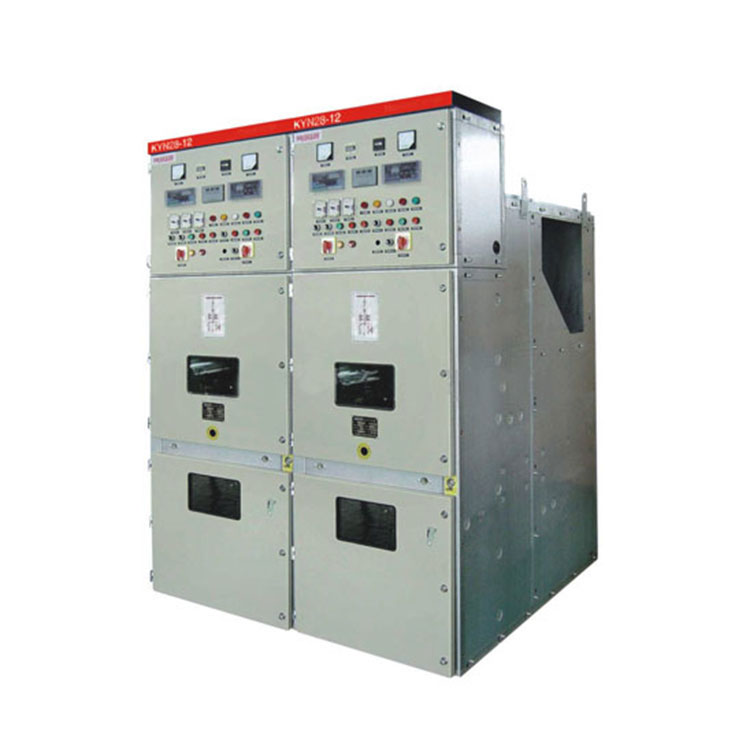
Contents
- What Are 11kv Outdoor Lv And Mv Vcb Panels?
- Why Are Vacuum Circuit Breaker Panels So Popular?
- Main Components of Outdoor VCB Panels
- Technical Specifications Comparison
- Typical Applications
- How to Choose the Right Panel
- Maintenance Best Practices
- Frequently Asked Questions
- Conclusion
What Are 11kv Outdoor Lv And Mv Vcb Panels?
An 11kv Outdoor Lv And Mv Vcb Panel is a complete medium-voltage power distribution solution equipped with a vacuum circuit breaker (VCB) designed for outdoor installation. These panels safely control, isolate, and protect electrical feeders operating at approximately 11kV while integrating low-voltage control circuits for monitoring, protection, communication, and automation.
Unlike traditional oil or air circuit breakers, vacuum circuit breakers extinguish electrical arcs inside sealed vacuum interrupters. Since there is virtually no gas inside the interrupter, the electrical arc disappears rapidly, resulting in excellent switching performance, minimal maintenance requirements, and significantly longer service life.
Modern outdoor VCB panels are manufactured using galvanized steel or stainless-steel enclosures with weatherproof construction that protects internal electrical components from rain, humidity, dust, UV radiation, insects, and severe environmental conditions. Many designs comply with IEC standards and can operate reliably across a wide temperature range.
Key Features
- Vacuum arc extinction technology
- High dielectric strength
- Outdoor weatherproof enclosure
- Low maintenance requirements
- Excellent mechanical endurance
- Reliable short-circuit interruption capability
- Suitable for intelligent grid automation
Why Are Vacuum Circuit Breaker Panels So Popular?
Power utilities and industrial facilities increasingly prefer vacuum circuit breaker technology because it combines high operational safety with outstanding long-term reliability. As electrical infrastructure becomes more intelligent, equipment must provide consistent protection while reducing maintenance costs and minimizing downtime.
Superior Safety Performance
Vacuum interrupters effectively eliminate arc flash hazards compared with many older interruption technologies. The sealed vacuum chamber prevents combustion and significantly reduces fire risks, making these panels suitable for critical facilities requiring high operational safety.
Long Mechanical Life
A high-quality VCB can perform tens of thousands of switching operations with minimal wear. This durability lowers maintenance frequency and reduces the overall lifecycle cost of electrical installations.
Excellent Environmental Protection
Unlike oil circuit breakers, vacuum technology does not require insulating oil that could leak into the environment. It also avoids the regular handling and replacement associated with oil-filled equipment, supporting cleaner and more sustainable power distribution.
Reliable Fault Isolation
When faults such as overloads or short circuits occur, the breaker disconnects the affected feeder rapidly, preventing damage to transformers, motors, cables, and other expensive electrical assets while maintaining system stability.
Suitable for Smart Grid Integration
Modern outdoor VCB panels can integrate intelligent protection relays, SCADA communication modules, remote monitoring systems, fault indicators, and digital measurement devices, enabling predictive maintenance and real-time network management.
Main Components of Outdoor VCB Panels
Understanding the internal structure of an outdoor VCB panel helps engineers evaluate equipment quality and long-term reliability. Although configurations may vary depending on project requirements, most 11kV outdoor LV and MV VCB panels share several essential components that work together to ensure safe and efficient power distribution.
Vacuum Circuit Breaker
The vacuum circuit breaker is the heart of the panel. It interrupts normal load current and fault current by extinguishing the electrical arc inside a sealed vacuum interrupter. Compared with conventional interruption technologies, vacuum breakers provide faster switching, higher dielectric recovery, and significantly lower maintenance requirements.
Protection Relay
Digital protection relays continuously monitor voltage, current, frequency, and fault conditions. When abnormalities such as overload, short circuit, or earth fault occur, the relay immediately sends a trip command to the circuit breaker, protecting transformers, cables, generators, and downstream equipment.
Current and Voltage Transformers
CTs and VTs provide accurate electrical measurements for metering, protection, and monitoring. These devices enable intelligent control systems to detect abnormal operating conditions with high precision.
Busbar System
Copper or aluminum busbars distribute electrical energy efficiently inside the enclosure. Proper insulation design minimizes heat generation while ensuring excellent conductivity and mechanical strength during fault conditions.
Outdoor Enclosure
The enclosure protects internal electrical components against moisture, dust, corrosion, sunlight, insects, and mechanical impact. Depending on installation environments, manufacturers may provide galvanized steel or stainless-steel cabinets with IP-rated protection.
Control and Monitoring Unit
Modern outdoor switchgear often includes intelligent monitoring systems supporting SCADA, Modbus, IEC 61850, and remote communication functions. Operators can monitor equipment status, receive alarms, and perform remote diagnostics without visiting the installation site.
Technical Specifications Comparison
The following table summarizes common technical parameters for typical 11kV Outdoor LV and MV VCB Panels. Actual specifications may vary depending on project requirements and customized configurations.
| Parameter | Typical Value |
|---|---|
| Rated Voltage | 11 kV |
| Rated Frequency | 50 Hz / 60 Hz |
| Rated Current | 630 A – 3150 A |
| Rated Short Circuit Breaking Current | 20 kA – 31.5 kA |
| Insulation Medium | Vacuum |
| Protection Level | IP54 / IP55 / IP65 (Optional) |
| Mechanical Life | 10,000–30,000 Operations |
| Installation | Outdoor |
| Control System | Manual / Motorized / Remote SCADA |
| Applicable Standards | IEC 62271 Series |
Typical Applications
The flexibility and durability of 11kV outdoor VCB panels make them suitable for a wide variety of industries and utility projects. Their ability to operate reliably in harsh outdoor environments has made them one of the most widely adopted medium-voltage switching solutions worldwide.
- Power generation plants
- Electrical substations
- Renewable energy projects including solar and wind farms
- Industrial manufacturing facilities
- Mining operations
- Oil and gas production sites
- Municipal electrical distribution systems
- Commercial complexes
- Transportation infrastructure
- Data centers requiring stable medium-voltage distribution
For renewable energy applications, outdoor VCB panels play an important role in protecting transformers and feeder circuits while enabling safe integration with the utility grid. Intelligent protection systems also improve operational visibility through remote monitoring platforms.
How to Choose the Right 11kV Outdoor VCB Panel
Choosing the appropriate panel requires careful evaluation of both technical requirements and operating conditions. Selecting equipment solely based on price may increase long-term maintenance costs or reduce system reliability.
- Determine the required rated current and breaking capacity.
- Evaluate environmental conditions such as humidity, salt spray, dust, altitude, and temperature.
- Select appropriate enclosure protection according to the installation environment.
- Confirm compliance with IEC standards and local electrical regulations.
- Consider future expansion by choosing modular panel designs.
- Verify intelligent communication functions if SCADA integration is required.
- Choose an experienced manufacturer capable of providing engineering support, testing reports, and after-sales service.
Maintenance Best Practices
Although vacuum circuit breakers require considerably less maintenance than oil-filled alternatives, routine inspections remain essential for ensuring maximum reliability throughout the equipment lifecycle.
- Inspect enclosure seals regularly.
- Clean dust and contaminants from insulating surfaces.
- Check electrical connections for overheating.
- Verify protection relay settings periodically.
- Perform insulation resistance testing during scheduled maintenance.
- Operate the breaker mechanically to verify smooth movement.
- Monitor operating data using intelligent monitoring systems.
Following preventive maintenance schedules significantly reduces unexpected outages while extending equipment service life. Many utilities now combine routine inspections with predictive maintenance technologies that analyze operational data to identify potential failures before they occur.
Frequently Asked Questions
1. What is the primary advantage of using a vacuum circuit breaker instead of an oil circuit breaker?
Vacuum circuit breakers extinguish electrical arcs inside a sealed vacuum interrupter, eliminating the need for insulating oil. This results in lower maintenance, improved environmental performance, longer mechanical life, faster interruption, and enhanced operational safety.
2. Can 11kV Outdoor LV and MV VCB Panels operate in harsh outdoor environments?
Yes. High-quality outdoor VCB panels are specifically engineered for demanding environments. Weatherproof enclosures with IP-rated protection effectively resist rain, dust, humidity, UV exposure, corrosion, and temperature fluctuations, ensuring reliable long-term operation.
3. Which industries commonly use 11kV Outdoor LV and MV VCB Panels?
These panels are widely applied in utility substations, industrial manufacturing plants, mining sites, renewable energy projects, commercial buildings, transportation infrastructure, municipal distribution networks, oil and gas facilities, and large-scale infrastructure developments.
4. How often should outdoor VCB panels be maintained?
Routine visual inspections should be carried out regularly according to operating conditions, while comprehensive preventive maintenance is typically performed during scheduled shutdowns. The exact maintenance interval depends on the installation environment, switching frequency, and manufacturer recommendations.
5. Are intelligent monitoring and remote control functions available?
Absolutely. Modern 11kV outdoor VCB panels can be equipped with intelligent protection relays, remote communication modules, SCADA integration, fault recording, online monitoring, and digital diagnostics, helping operators improve system reliability and maintenance efficiency.
6. What should buyers consider when selecting a manufacturer?
A reliable supplier should provide proven engineering experience, strict quality control, international manufacturing standards, comprehensive factory testing, customization capabilities, technical documentation, and responsive after-sales support. These factors are just as important as the equipment specifications themselves.
Conclusion
As power systems continue to evolve toward greater intelligence, efficiency, and sustainability, 11kV Outdoor LV and MV VCB Panels have become a trusted solution for medium-voltage power distribution. Their outstanding switching performance, exceptional reliability, low maintenance requirements, and compatibility with modern automation technologies make them an excellent investment for utilities, industrial facilities, renewable energy projects, and commercial infrastructure.
Backed by professional engineering expertise, Conso is committed to delivering dependable outdoor medium-voltage switchgear solutions that meet diverse project requirements. Whether you require a standard configuration or a fully customized power distribution system, our experienced team is ready to provide technical consultation, product recommendations, and comprehensive support throughout your project. Contact us today to discuss your application and discover how our reliable 11kV Outdoor LV and MV VCB Panels can help improve the safety, efficiency, and long-term performance of your electrical network.